Treasure Coast Locksmith
LICENSED • INSURED • 35+ YEARS
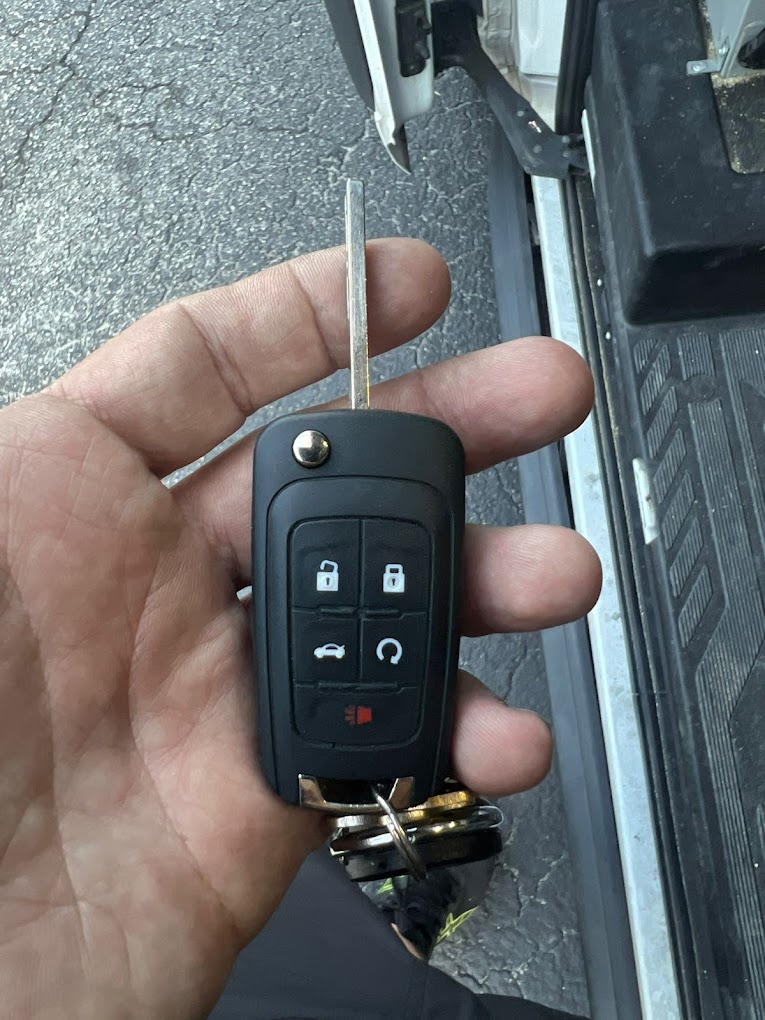
Car key programming uses the vehicle's OBD-II diagnostic port (located under the dashboard) to communicate with the immobilizer module. The process registers the unique code from your new key's transponder chip into the immobilizer's memory. Once registered, the immobilizer recognizes the key and allows the engine to start.
Two primary programming methods exist. OBD-II programming is the standard method used for most vehicles. Our tool connects to the diagnostic port and sends commands to the immobilizer. EEPROM programming is an advanced method used when OBD-II access is blocked, the immobilizer module is replaced, or certain all-keys-lost scenarios require direct chip reading.
Toyota/Lexus: G-chip and H-chip programming via OBD-II. Smart Key registration requires Toyota-specific protocols.
Honda/Acura: HISS immobilizer programming. Some models allow on-board self-programming with two existing keys.
Ford/Lincoln: PATS programming. Gen 1 (40-bit) and Gen 2 (80-bit) require different approaches.
GM (Chevy/GMC/Buick/Cadillac): PK3, PK3+, and PEPS systems. Each generation uses different encryption.
Chrysler/Dodge/Jeep: FOBIK programming via OBDII. ProxKey and key-on-a-stick variants.
Treasure Coast Locksmith programs keys across all Port St Lucie neighborhoods. Tradition, St Lucie West, Torino, PGA Village, Sandpiper Bay, River Park - we cover every area with same-day mobile programming service.


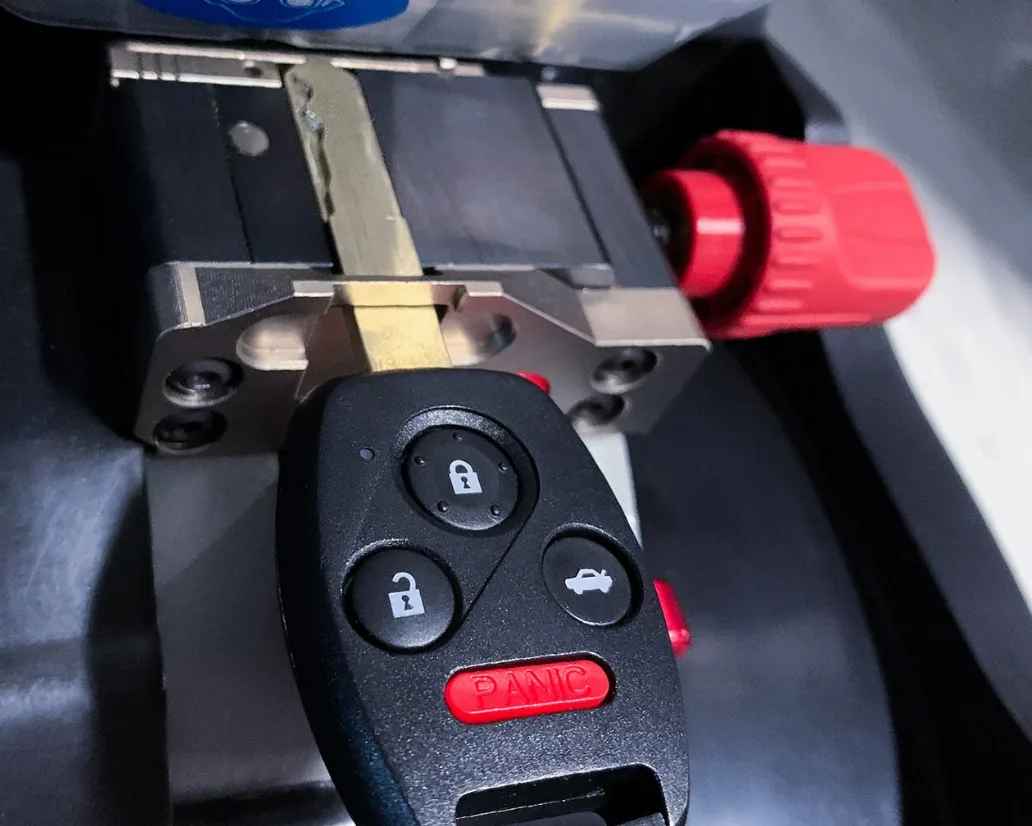
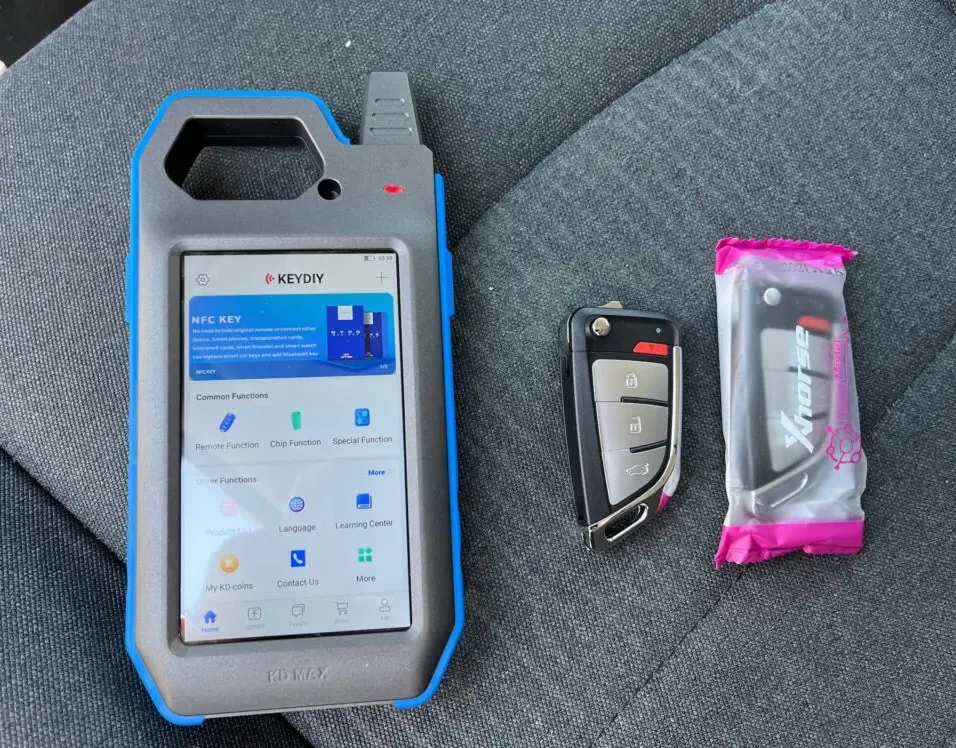

Standard port-based programming for most vehicles. Fast, non-invasive, reliable.

Advanced chip-level programming for complex security systems and all-keys-lost cases.
Immobilizer + remote + proximity all programmed in one session.
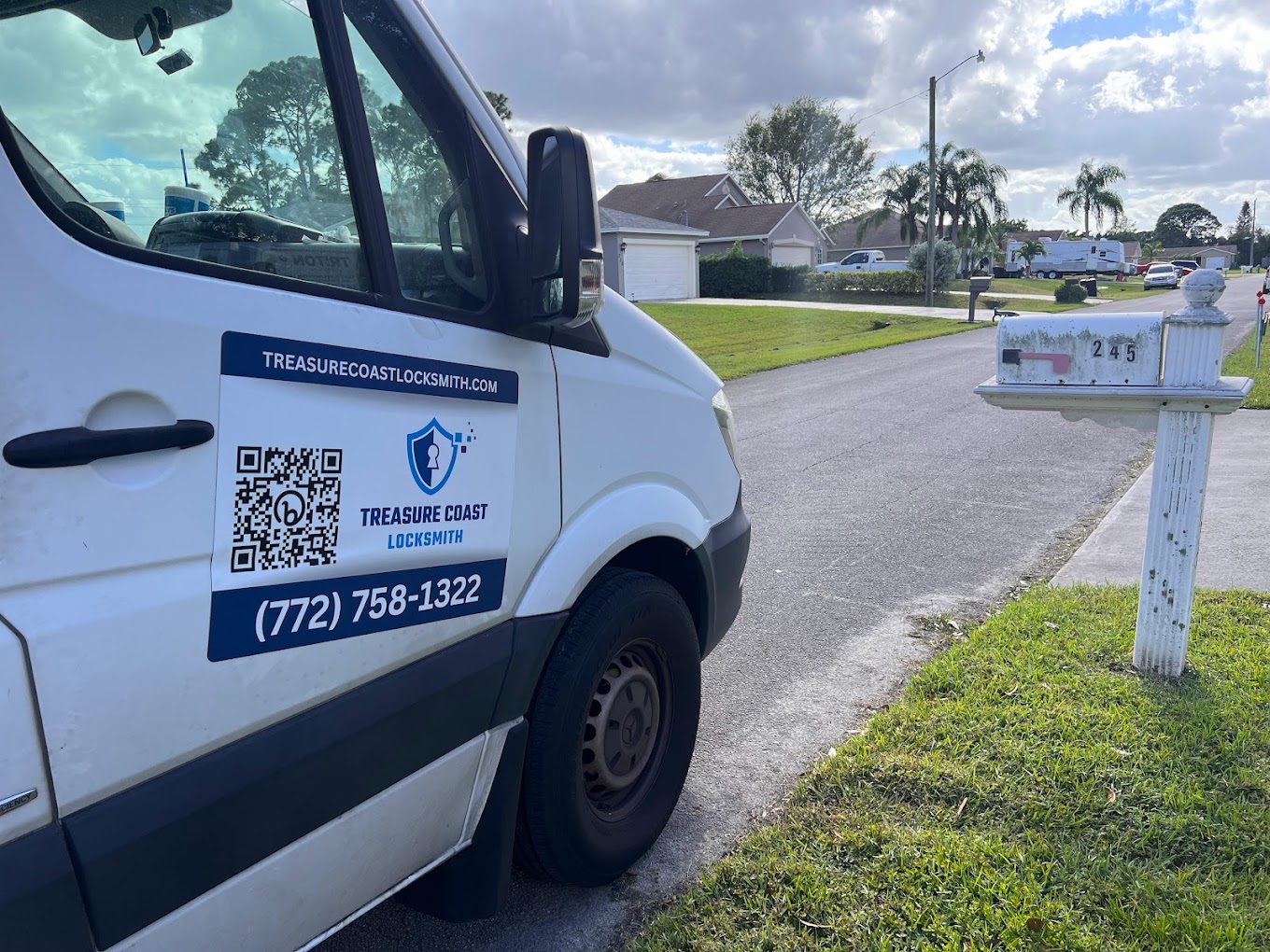
Full programming lab on wheels. We come to your PSL location.